

Commentary
Andrey Pertsev
{
  "authors": [
    "Andrey Pertsev"
  ],
  "type": "commentary",
  "blog": "Carnegie Politika",
  "centerAffiliationAll": "",
  "centers": [
    "Carnegie Russia Eurasia Center",
    "Carnegie Endowment for International Peace"
  ],
  "englishNewsletterAll": "",
  "nonEnglishNewsletterAll": "",
  "primaryCenter": "Carnegie Russia Eurasia Center",
  "programAffiliation": "",
  "regions": [
    "Russia"
  ],
  "topics": [
    "Domestic Politics",
    "Political Reform"
  ]
}
Source: Getty
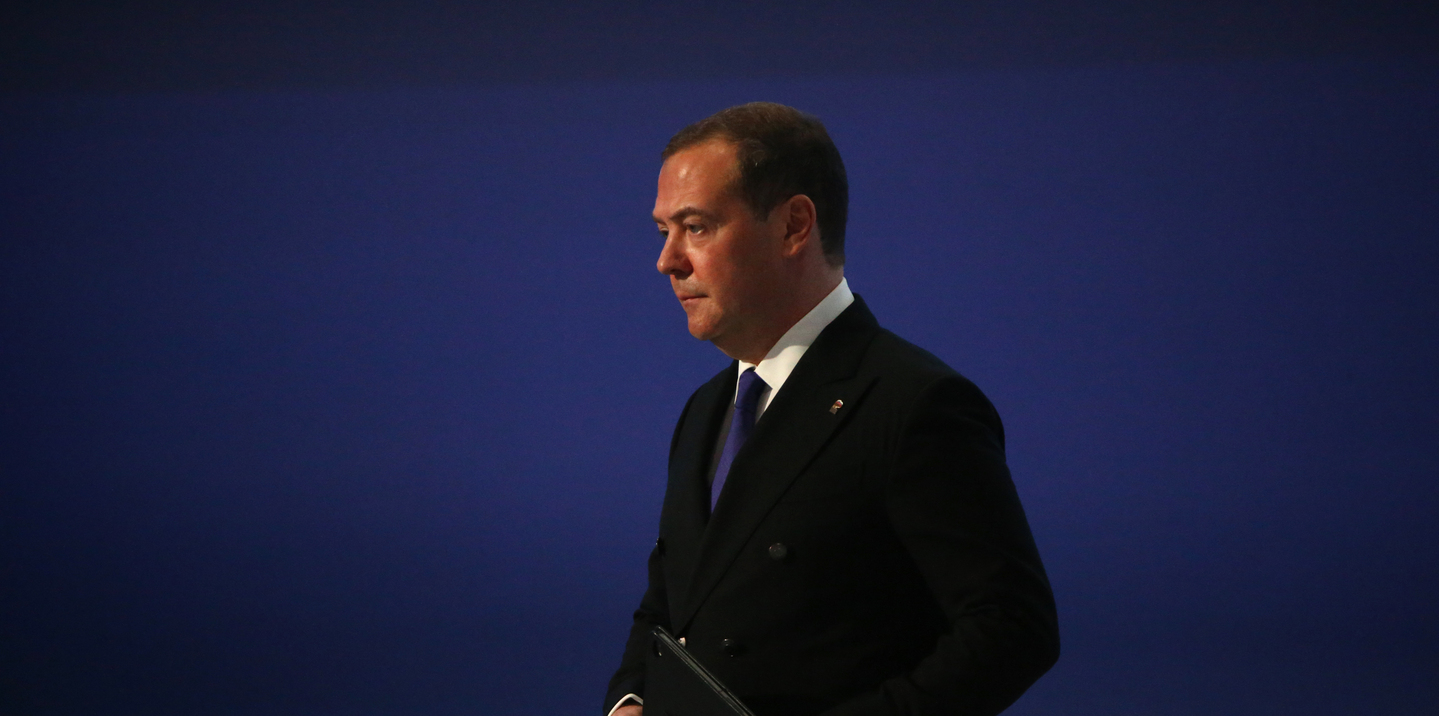
Medvedev’s defeat in the battle for the position of speaker appears to signal that the long process of his marginalization in Russian politics has passed the point of no return.
United Russia has once again failed to include its chairman, former president Dmitry Medvedev, in its list of candidates for September’s elections to the State Duma. Medvedev had publicly fought hard to head the ruling party’s federal list, hoping to then move from his current obscure position as deputy chair of the Security Council to the influential post of speaker of the State Duma, Russia’s lower chamber of parliament.
Given the public war fatigue, it would have been hard for Kremlin officials to promote a party list headed by Medvedev, who in recent years has reinvented himself as an ultra-hawk. The top five instead include Foreign Minister Sergey Lavrov and Moscow Mayor Sergei Sobyanin. They may not boost the ruling party’s ratings, but it’s a choice that will at least allow the Kremlin and United Russia to be flexible and adjust its campaign depending on how the situation develops.
This isn’t the first time Medvedev has been passed over: He was also excluded from the party list in 2021. Back then, he was likewise trying to secure the prestigious position of Duma speaker for himself. After that painful blow to the former president’s ambitions, he made meticulous preparations this time around. For the last five years, Medvedev has truly immersed himself in United Russia’s agenda and leaned into the role of party leader, traveling the country to appear at party events.
At the beginning of this year, there were media reports that Medvedev would indeed be among the first three figures on the party list. But such decisions are taken by one man alone—President Vladimir Putin—and he apparently decreed otherwise. Lavrov tops the party list, followed by Sobyanin and then Vladislav Golovin, a veteran of the Ukraine war who now leads a pro-Kremlin youth movement called Yunarmiya. Closing out the top five are children’s ombudswoman Maria Lvova-Belova and pro-war blogger Yevgeny Poddubny.
The faction with the greatest interest in such an outcome appears to be the domestic policy bloc of the presidential administration led by First Deputy Chief of Staff Sergei Kiriyenko. His team understood perfectly well that given the public war fatigue, putting the hawkish Medvedev first on the United Russia list would have dragged the party’s ratings down—especially since he is not particularly popular. In polls in which Russians are asked to name the most popular politicians, the former president’s name rarely comes up.
Nor did Kiriyenko’s team want to see a new center of influence emerge, which would have happened if Medvedev had been made speaker of the Duma. For all its decorative status as a rubber stamp parliament, the Duma still formally enacts legislation for the Kremlin and the government, approves the prime minister and cabinet, and receives their reports. As speaker, Medvedev would have started to get some of the political elite on side, who would have sought to shore up their own positions in discussions of a possible post-Putin power configuration—and that would have threatened Kiriyenko’s ambitions.
The other person with an interest in opposing Medvedev’s advancement was, of course, the current Duma speaker, Vyacheslav Volodin. Given that the career escalator within the Russian power vertical has essentially been frozen for years now, he understands that he is unlikely to secure another position of equal weight to his current one.
Medvedev’s defeat in the battle for the position of speaker appears to signal that the long process of his marginalization in Russian politics has passed the point of no return. After he stepped down as prime minister in 2020, a new position was created especially for him: deputy chair of the Security Council. That post still afforded Medvedev considerable status, as the Security Council was traditionally considered an elite club in which key decisions were made.
But Medvedev’s authority within the Security Council was extremely ill defined, and he quickly realized that it was impossible to work with the security officials who comprised the majority of its members (unlike Putin, Medvedev did not emerge from the ranks of the security services, but has a background in law).
After his first unsuccessful attempt to become the speaker via the Duma elections in 2021, the next potential post discussed for Medvedev was chairman of the Supreme Court. But he has been passed over for that position twice in the last three years.
Given Putin’s ultraconservatism and the lack of career progression opportunities within the power vertical, this year’s Duma elections were more or less Medvedev’s last chance to move to another position that would not be a step down in terms of political status—hence the effort expended by the former president.
Medvedev made his battle to advance his career a public one, with media reporting on his arguments for taking the top spot on the party list. In doing so, he and his team created inflated expectations. By seeking to show his strength, Medvedev has ultimately only demonstrated his vulnerability and dependence on the will of a single person. By attempting to make his victory as visible as possible, he has drawn additional attention to his defeat. Now the former president’s career prospects look bleak. Putin appears to be letting him know that the post of deputy chair of the Security Council is not an interim job, but a glass ceiling.
Of course, it’s not out of the question that Putin might at some point make Medvedev an unexpected proposal. But for now, a far more likely scenario is that the former president will lose the post of chairman of United Russia, and with that, a significant portion of his political weight.
Without Medvedev, the lineup of United Russia’s federal list top five is designed to give the Kremlin’s domestic policy bloc maximum flexibility. If public war weariness continues to grow, then Sobyanin can be put front and center of the campaign: He is seen as a pragmatic administrator and is not directly associated with the war. And if Putin decides to escalate the situation at the front, then the hawks—Lavrov, Golovin, and Poddubny—can be brought out.
This lineup also helps the Kremlin to avoid unnecessary rumblings among the elites. Putting Medvedev or even Sobyanin as number one on the list would have inevitably sparked fresh talk of a possible successor or future prime minister. Putting the seventy-six-year-old Lavrov at the top of the list precludes any chance of such speculation.
The three other members of the top five reflect the president’s personal tastes, and will do nothing to boost United Russia’s popularity. Putin speaks of those who have fought in the Ukraine war as a “true elite,” and the third on the list is the veteran Golovin. As for Lvova-Belova, the president often meets with the children’s ombudswoman, who—together with the president—is the subject of an International Criminal Court arrest warrant for the unlawful deportation of thousands of children from Ukraine to Russia. The war blogger Poddubny is also well known to Putin.
It’s a top five that allows the Kremlin’s political bloc to position United Russia as “Putin’s party.” Meanwhile, Putin himself has sacrificed the ambitions of his longtime ally Medvedev in order to once again avoid conversations about the future.

Andrey Pertsev is a journalist with Meduza website.
Recent Work
Andrey Pertsev
Andrey Pertsev
Carnegie does not take institutional positions on public policy issues; the views represented herein are those of the author(s) and do not necessarily reflect the views of Carnegie, its staff, or its trustees.
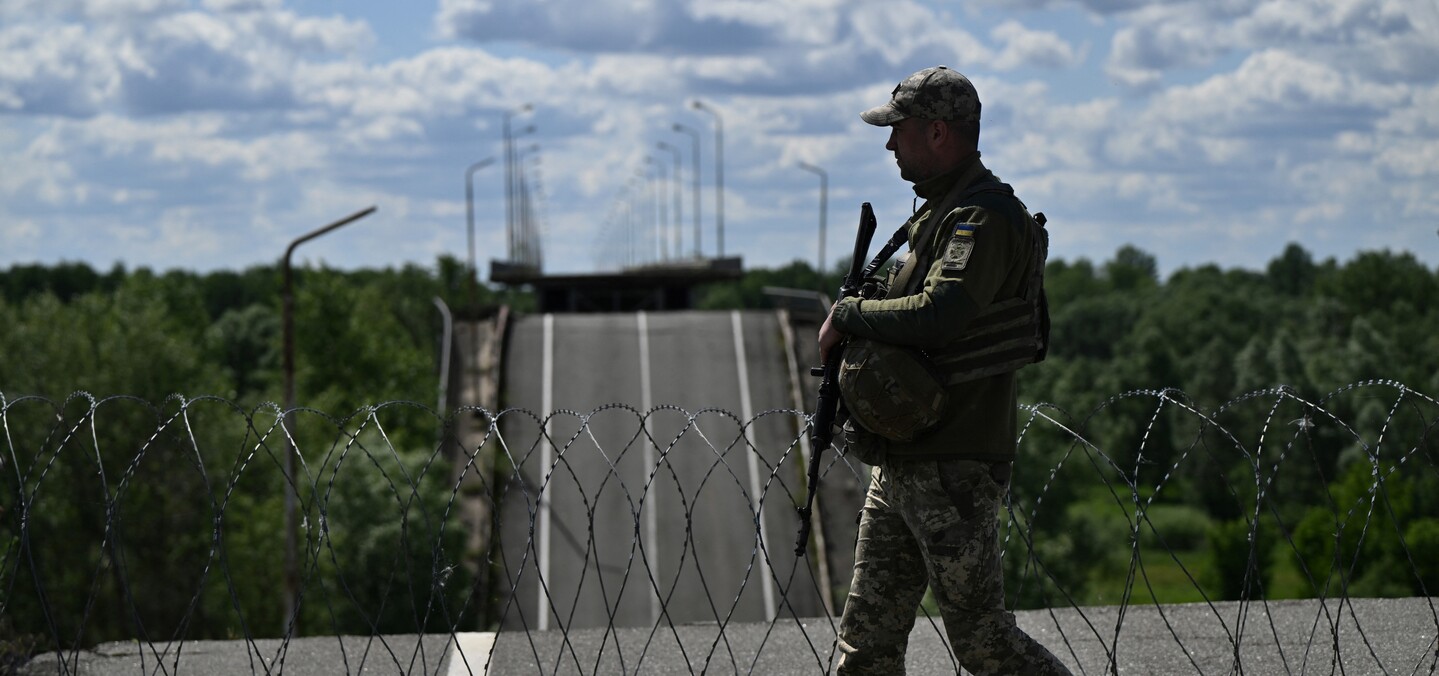
The recent damage inflicted by Ukrainian drones and missiles on Russia has made Belarus aware of its own vulnerabilities—and surprisingly amenable to Kyiv’s demands.

Artyom Shraibman
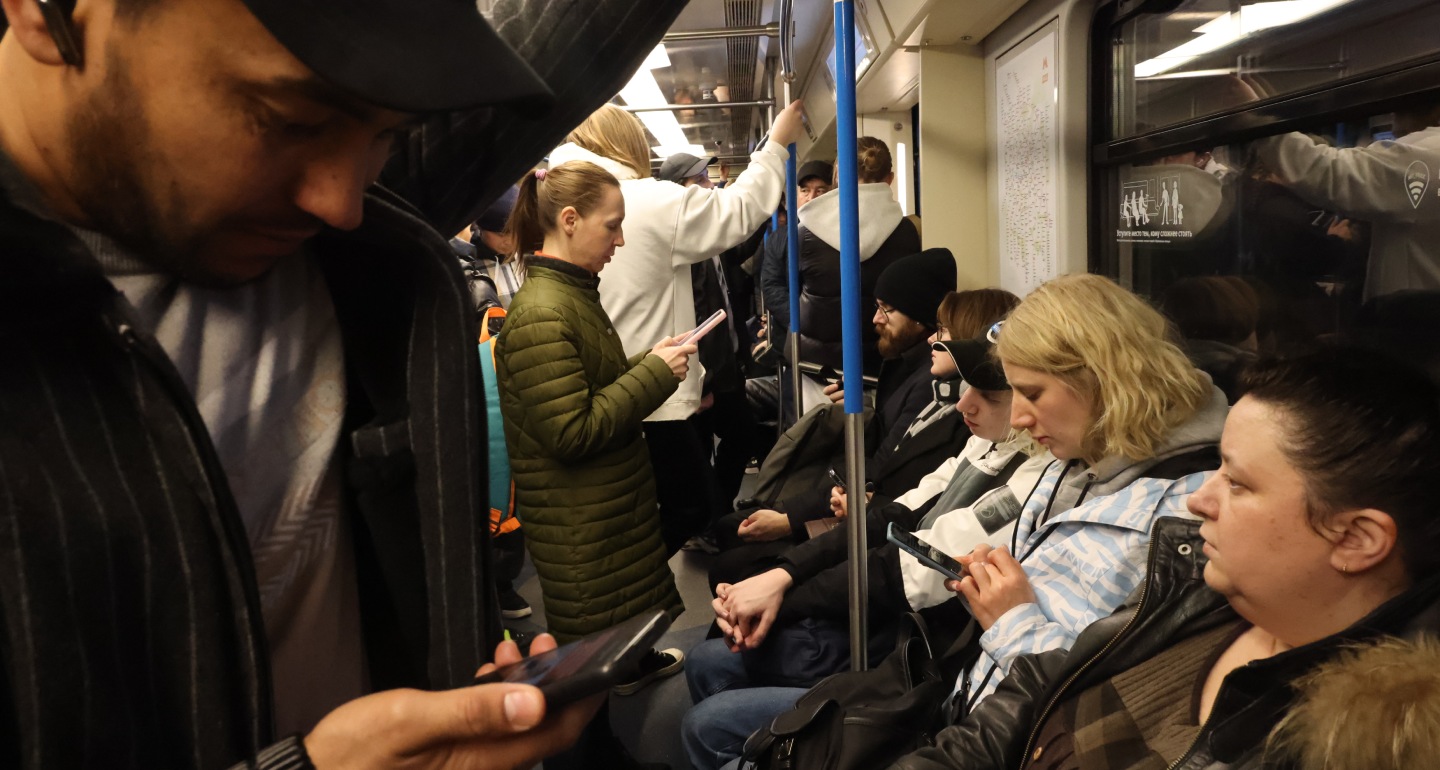
With its scattershot approach to enforcing internet censorship, the Russian regime risks losing a battle against the many Russians who have learned to evade online restrictions.

Maria Kolomychenko
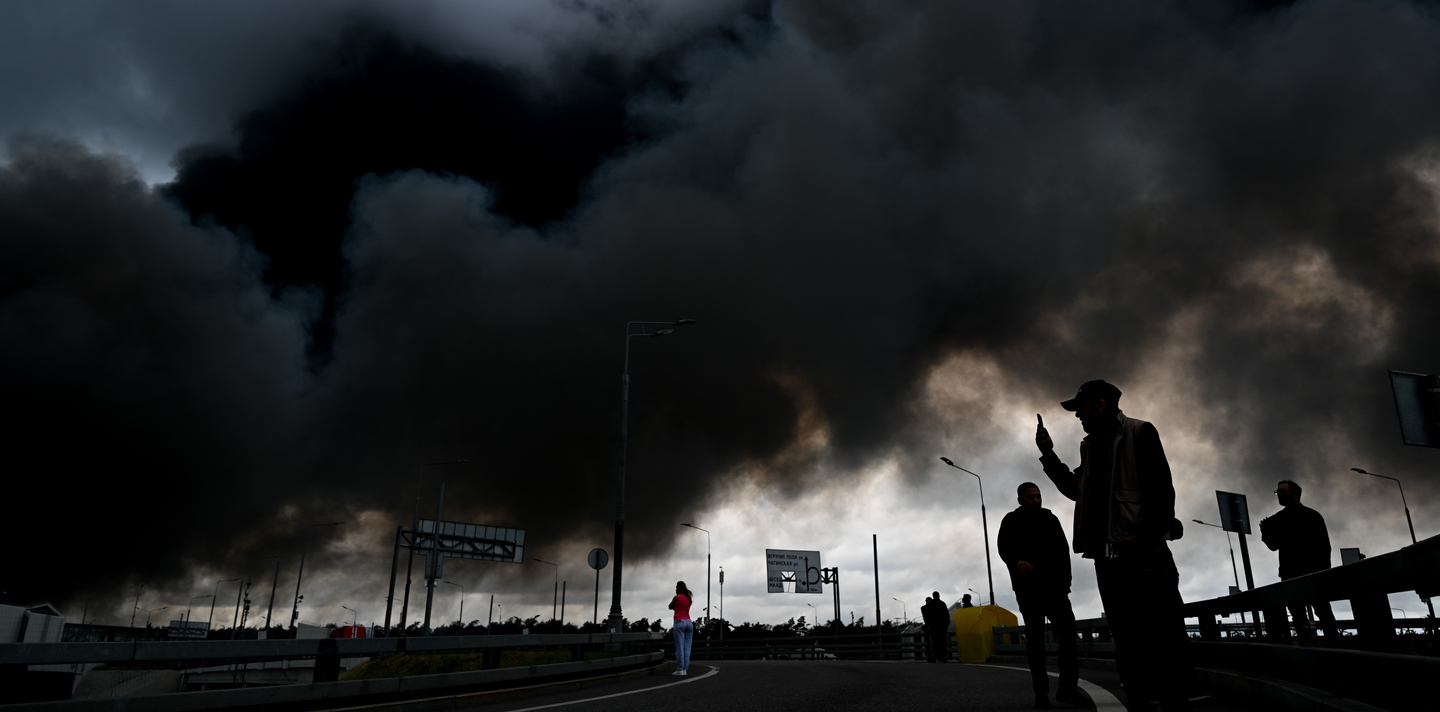
It is not a phenomenon unique to Russia that the public of a country at war (even the aggressor) enduring airstrikes will not overturn its government but rather show solidarity with it and blame its woes on the enemy.
Vladislav Gorin
Russia looks set to reap economic benefits from closer ties with Southeast Asian countries that are keen to find reliable energy suppliers and diversify trade ties.

Alexander Gabuev
Ongoing uncertainty in the Middle East allows Moscow to both increase its influence in Tehran and continue to enjoy the financial windfall of higher oil prices.

Nikita Smagin